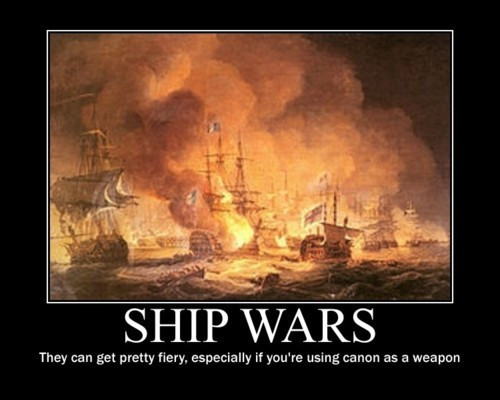
The best thing about having Star Wars as one’s first major fandom is that after that, everything seems tame. Ship wars are nothing after the Canon Wars and ship length wars.
Just to be clear on that last: The debate over the length of a Super Star Destroyer raged on for years and was ultimately banned as a topic on TF.N.
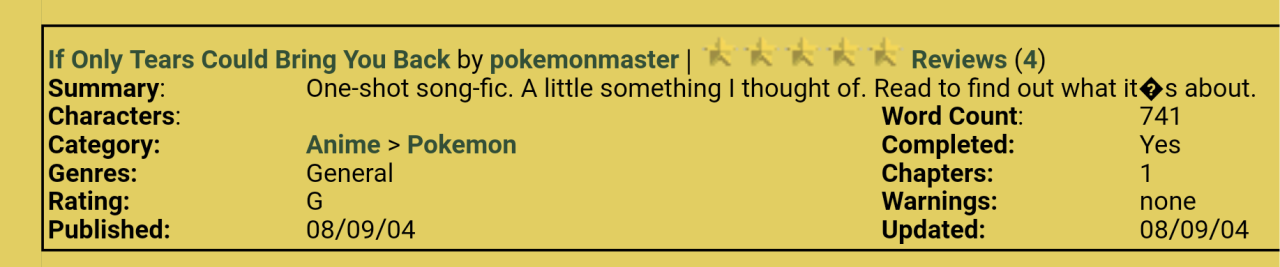
Y'all im dying I suddenly realized that i could wayback machine the first fanfiction site i ever visited so i did. It took some doing, cause not every page is archived but even tho i cant access my profile, i did find the first fanfic i ever wrote!
I just want u all to know that it was a songfic about ash angsting cause misty had died in a fucking bike accident lololol
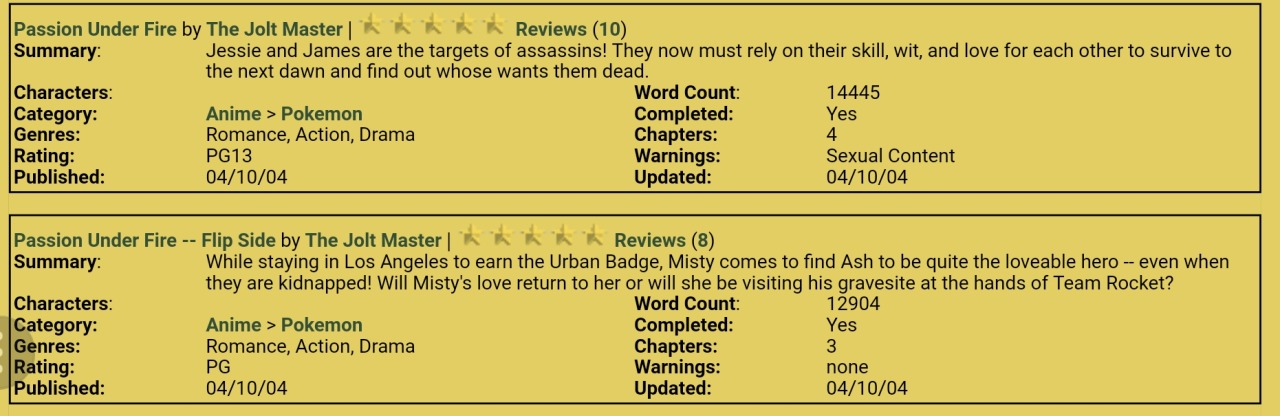
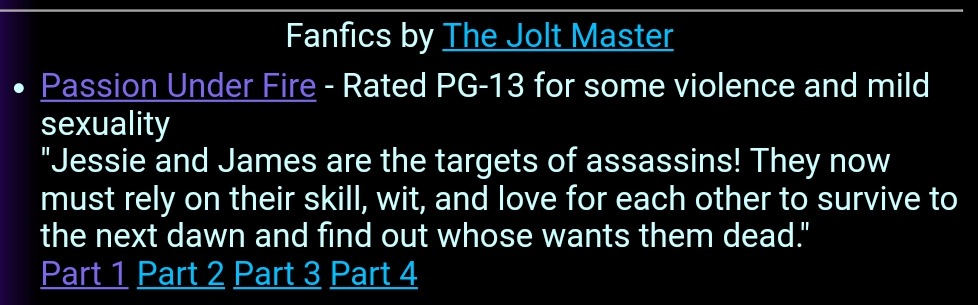
But! I also found the first fanfic i ever read, and its sequel, too!!
I was so disappointed that i couldnt access it either, but a quick google search later and what do i find??
Im so fucking excited im going to read it immediately
My favorite thing is posts from Fandom Olds about the lost garden of Eden we’ve all been expelled from. I love reading about how there was this golden age 10-15 years ago where like…there was no wank or flames, no shipping wars or kink judginess, everybody who read your story left paragraph long comments, and LiveJournal was amazing compared to our tumblr dystopia.
It sounds amazing, it really does! I wish I could have been there for it. I mean, I’ve been in fandom for fifteen years now, but I never experienced *that.*
(There are trends that rise and fall, things that are more frustrating now, sure, but at the same time, some things are easier or more convenient. On the whole, I don’t feel like the general experience/feel has changed that much. *shrug*)
I saw some shit go down in the LOTR fandom in 2002-2004 that would melt everyone on Tumblr’s faces off.
“I’ll bet it wasn’t worse than *my* fandom right now.” Yes, your fandom too.
And at least on AO3, you can see a hit count. On LJ, your fic might have gotten 3 comments, so all you knew was that the number of people who read your fic was equal-to-or-greater-than 3. :-\
I am a Fandom Old and I have literally never gone a year without seeing ship wars/wank/flames/etc. lol. And while I wasn’t in LotR or HP fandoms back then, their wank was legend and tales were told in all corners of the fandom world.
Whatevs. The MSRs vs Noromos fucking predate LiveJournal, so try a that shit elsewhere. DOES NO ONE REMEMBER THE RAY WARS?
As we sit on the cusp of changes to the Internet, after your other activities to support Internet freedom, archive your
fandom stuff.
Save the electronic files of your favorite online fandom works. Consider print-outs of your favorite online
material. And save paper
ephemera from fandom events.
Why save? Because you put the effort into a fanwork. Because you may be surprised when a fandom stays alive for years, or gets revived, or when an academic asks to cite your work. Because it’s stupidly hard to find items on Tumblr. Because, lo, in ages past, many fandom archives have risen and fallen, taking favorite fics off the ‘Net. Because it made you happy, makes you remember. Because you never know.
What can
you save?
Fanart
Stories you wrote
Epic comments on stories you wrote
Stories you love that other people wrote
Meta and meta-related discussions
Translations others did of your works
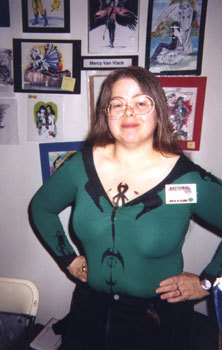
Physical items: paper ephemera, clothing, accessories, art prints and drawings.
Behind the cut…saving from Tumblr and AO3, delving into lost web sites, how to save computer files for the long term, and why I’m glad I saved physical fandom items from 10+ years ago.
So I am going to add onto this because there is, in fact, a professional archival interest in preserving fandom as well. I’ve spoken with some people about this before, but here’s the bottom line: PROFESSIONAL ARCHIVISTS WANT TO PRESERVE YOUR STUFF! HELP THEM DO THIS!
There are pre-existing fandom archives. Where are they?
The University of Iowa Special Collections. U o I is partnered with the Organization for Transformative Works (which runs AO3) to help collect and preserve fandom. They’re one of the biggests out there. Here are some of their existing collections
Pete Balestrieri, who curates the collection, is the man to talk to about this. Please consider giving him your stuff!
The Library of Congress has been archiving select webcomics, and now maintains the Web Cultures Archive which includes sites like Cosplay Paradise.
These are the big institutions doing collecting, but the archival profession and fandom need to start talking more. Born digital material is always at risk, and at present, it is mostly Western fandoms being preserved! Moreover, some facets like cosplay are currently overlooked, and that is something that needs better documentation!
As we sit on the cusp of changes to the Internet, after your other activities to support Internet freedom, archive your
fandom stuff.
Save the electronic files of your favorite online fandom works. Consider print-outs of your favorite online
material. And save paper
ephemera from fandom events.
Why save? Because you put the effort into a fanwork. Because you may be surprised when a fandom stays alive for years, or gets revived, or when an academic asks to cite your work. Because it’s stupidly hard to find items on Tumblr. Because, lo, in ages past, many fandom archives have risen and fallen, taking favorite fics off the ‘Net. Because it made you happy, makes you remember. Because you never know.
What can
you save?
Fanart
Stories you wrote
Epic comments on stories you wrote
Stories you love that other people wrote
Meta and meta-related discussions
Translations others did of your works
Physical items: paper ephemera, clothing, accessories, art prints and drawings.
Behind the cut…saving from Tumblr and AO3, delving into lost web sites, how to save computer files for the long term, and why I’m glad I saved physical fandom items from 10+ years ago.
In the letterzine INTERSTAT, Duane had been accused of producing a Mary Sue in the person of K’t'lk, the glass spider. Crispin, joining the Mary Sue debate in that letterzine, responded:
Please quit classifying many Star Trek stories in terms of Mary Sue and non-Mary Sue! People level accusations of Mary Sue at the most unlikely subjects nowadays - including
glass spiders […]
a fan with the pen name Crispin replying to people accusing a glass spider to be a Mary Sue. qouted by camille bacon-smith 1992.
i….. erm….
glass spider mary sue? something wild were going on back there in the 80s fandom O_O
Before we continue, I want to add the usual caveat that I actually don’t want to be right about these
fandoms being dead. I like enthusiasm and energy and it’s a shame to see it vanish.
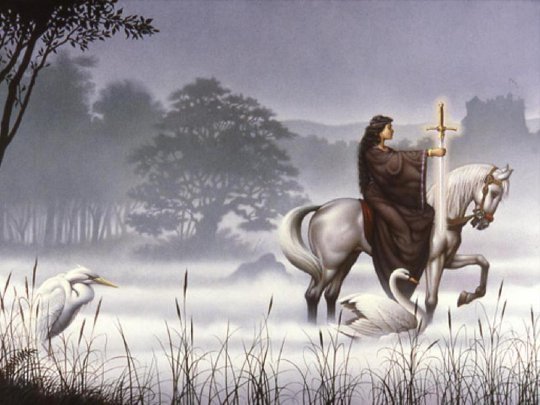
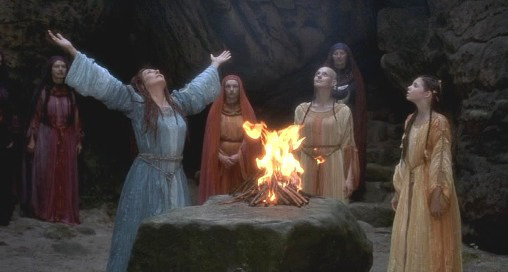
Mists of Avalon
Remember that period of time of about 15 years, where
absolutely everybody read this book and was obsessed with it? It could not have
been bigger, and the fandom was Anne Rice huge, overlapping for several years
with USENET and the early World Wide Web…but it’s since petered out.
Mists of Avalon’s popularity may be due to the most
excellent case of hitting a demographic sweet spot ever. The book was a
feminist retelling of the Arthurian Mythos where Morgan Le Fay is the main
character, a pagan from matriarchal goddess religions who is fighting against
encroaching Christianity and patriarchal forms of society coming in with it.
Also, it made Lancelot bisexual and his conflict is how torn he is about his
attraction to both Arthur and Guinevere.
Remember, this novel came out in 1983 – talk about being
ahead of your time! If it came out today, the reaction from a certain corner
would be something like “it is with a heavy heart that I inform you that tumblr
is at it again.”
Man, demographically speaking, that’s called “nailing it.”
It used to be one of the favorite books of the kind of person who’s bookshelf
is dominated by fantasy novels about outspoken, fiery-tongued redheaded women,
who dream of someday moving to Scotland, who love Enya music and Kate Bush, who
sell homemade needlepoint stuff on etsy, who consider their religious beliefs neo-pagan or
wicca, and who have like 15 cats, three of which are named Isis, Hypatia, and
Morrigan.
This type of person is still with us, so why did this novel
fade in popularity? There’s actually a single hideous reason: after her death
around 2001, facts came out that Marion Zimmer Bradley abused her daughters
sexually. Even when she was alive, she was known for defending and enabling a
known child abuser, her husband, Walter Breen. To say people see your work
differently after something like this is an understatement – especially if your
identity is built around being a progressive and feminist author.
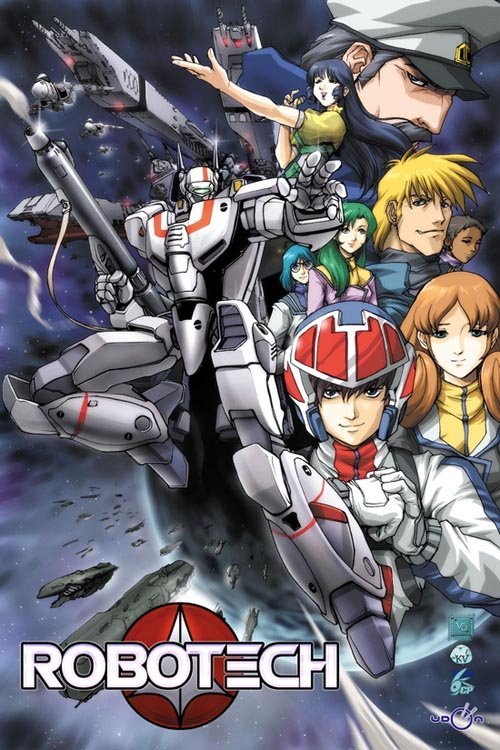
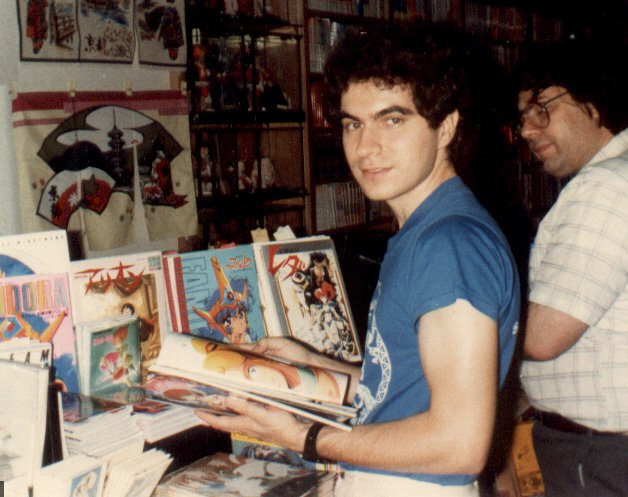
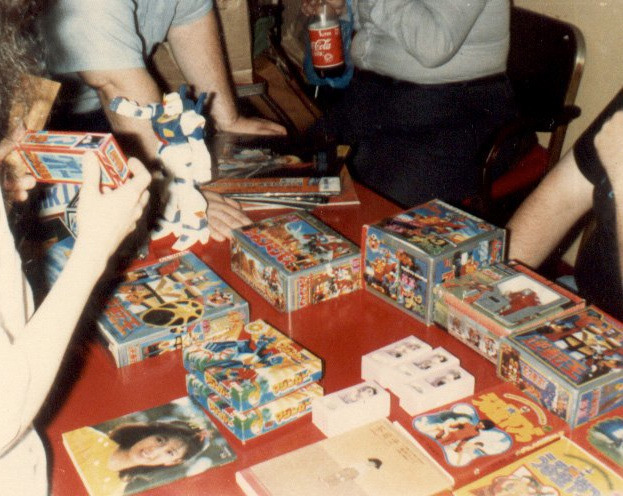
Robotech
I try to break up my sections on dead fandoms into three
parts: first, I explain the property, then explain why it found a devoted
audience, and finally, I explain why that fan devotion and community went away.
Well, in the case of Robotech, I can do all three with a single sentence: it
was the first boy pilot/giant robot Japanimation series that shot for an older,
teenage audience to be widely released in the West. Robotech found an audience when
it was the only true anime to be widely available, and lost it when became just
another import anime show. In the days of Crunchyroll, it’s really hard to
explain what made Robotech so special, because it means describing a different
world.
Try to imagine what it was like in 1986 for Japanime fans:
there were barely any video imports, and if you wanted a series, you usually
had to trade tapes at your local basement club (they were so precious they
couldn’t even be sold, only traded). If you were lucky, you were given a script
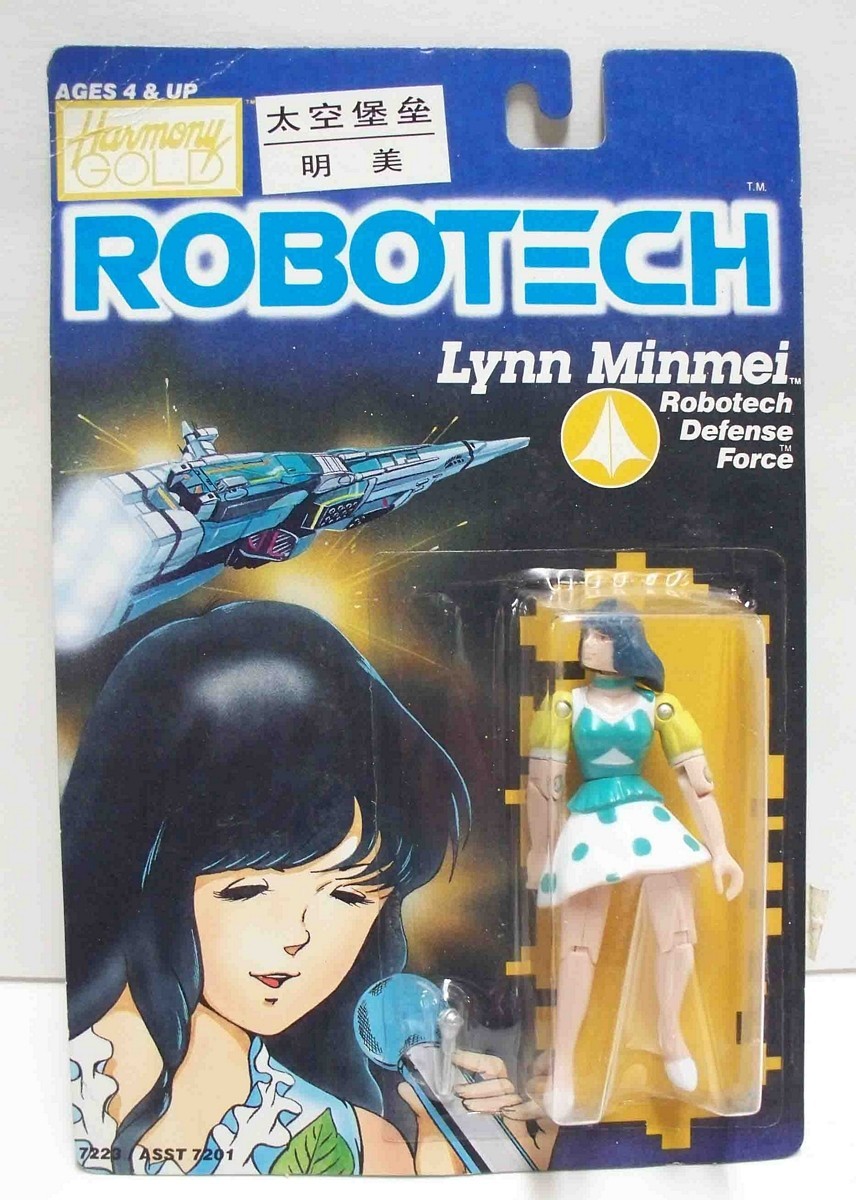
to translate what you were watching. Robotech though, was on every day, usually
after school. You want an action figure? Well, you could buy a Robotech Valkyrie
or a Minmei figure at your local corner FAO Schwartz.
However, the very strategy that led to it getting syndicated
is the very reason it was later vilified by the purists who emerged when anime
became a widespread cultural force: strictly speaking, there actually is no
show called “Robotech.” Since Japanese shows tend to be short run, say, 50-60
episodes, it fell well under the 80-100 episode mark needed for syndication in
the US. The producer of Harmony Gold, Carl Macek, had a solution: he’d cut
three unrelated but similar looking series together into one, called “Robotech.”
The shows looked very similar, had similar love triangles, used similar tropes,
and even had little references to each other, so the fit was natural. It led to
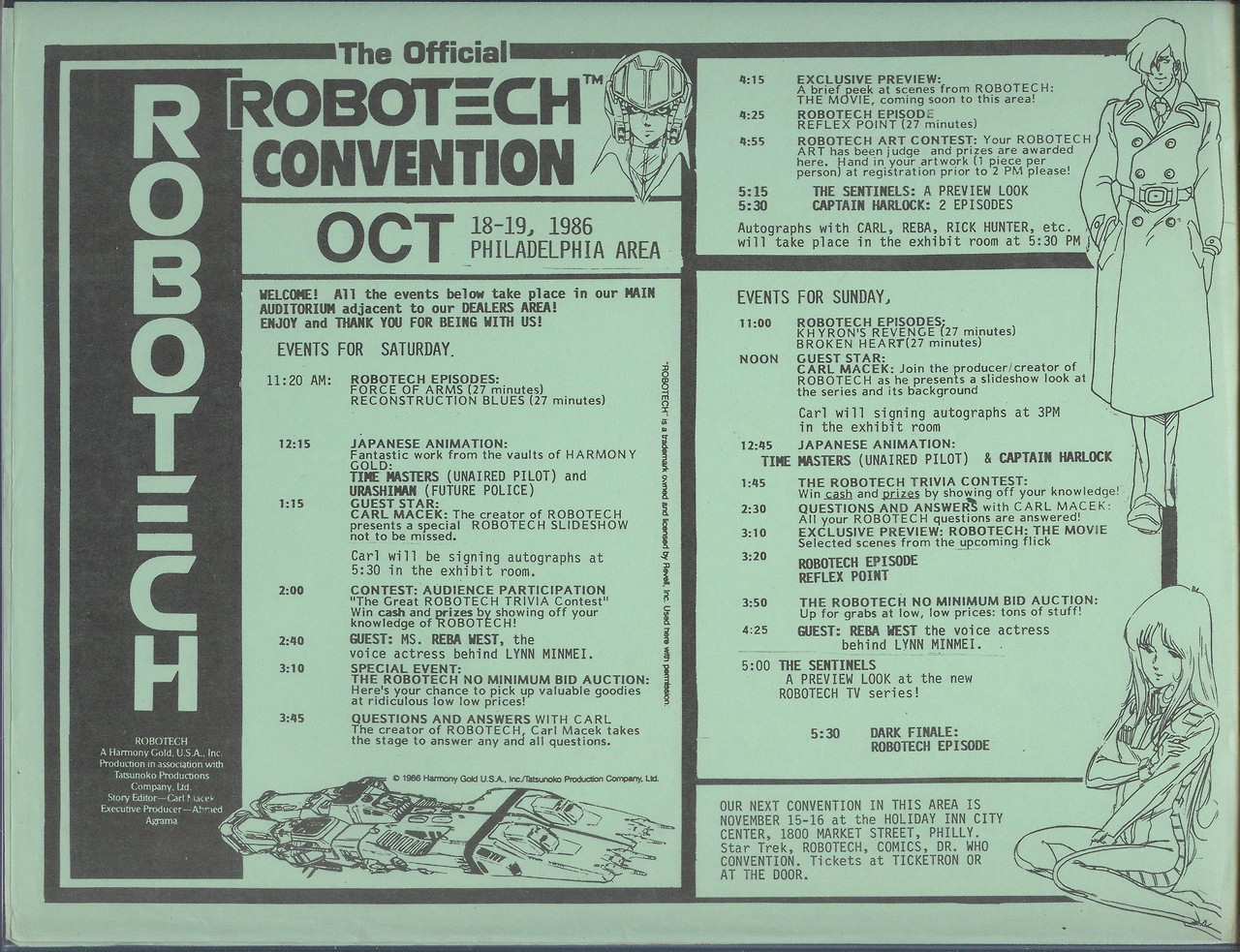
Robotech becoming a weekday afternoon staple with a strong fandom who called
themselves “Protoculture Addicts.” There were conventions entirely devoted to
Robotech. The supposed shower scene where Minmei was bare-breasted was the
barely whispered stuff of pervert legend in pre-internet days. And the tie in
novels, written with the entirely western/Harmony Gold conception of the series
and which continued the story, were actually surprisingly readable.
The final nail in the coffin of Robotech fandom was the rise
of Sailor Moon, Toonami, Dragonball, and yes, Pokemon (like MC Hammer’s role in
popularizing hip hop, Pokemon is often written out of its role in creating an
audience for the next wave of cartoon imports out of insecurity). Anime popularity in the West can be
defined as not a continuing unbroken chain like scifi book fandom is, but as an unrelated series of waves, like multiple
ancient ruins buried on top of each other (Robotech was the vanguard of the
third wave, as Anime historians reckon); Robotech’s wave was subsumed by the next, which had different
priorities and different “core texts.” Pikachu did what the Zentraedi and Invid
couldn’t do: they destroyed the SDF-1.
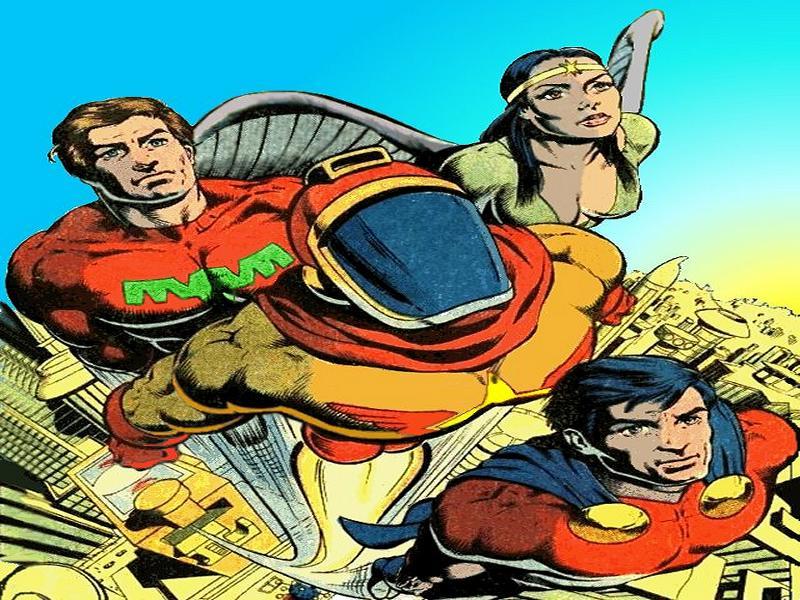
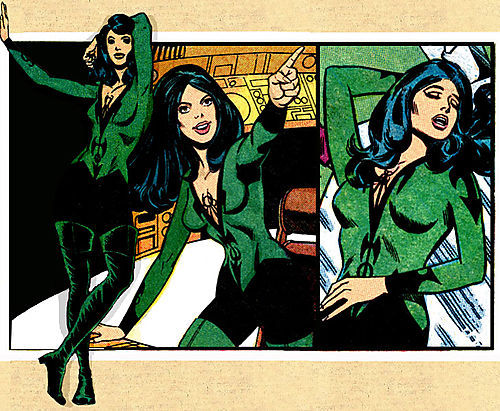
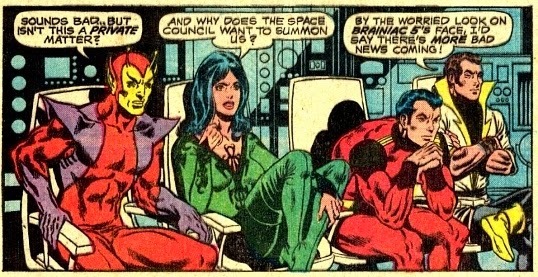
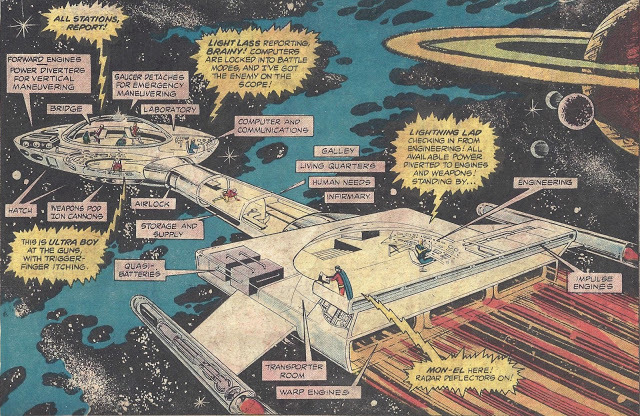
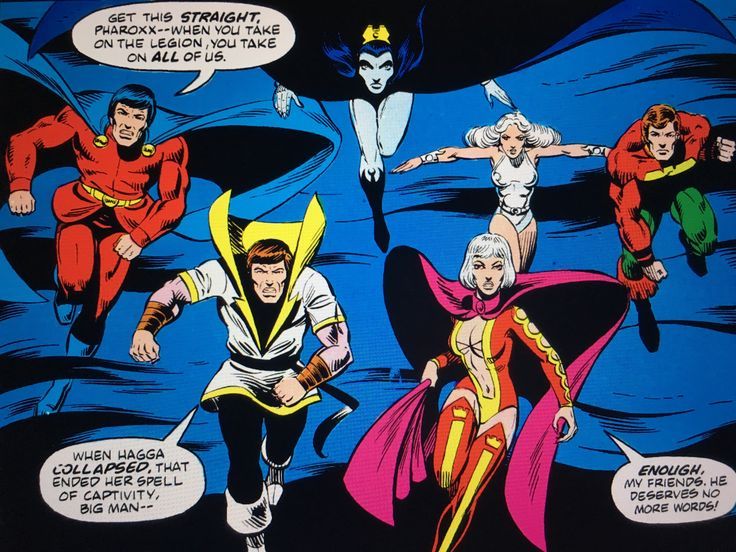
Legion of Super-Heroes
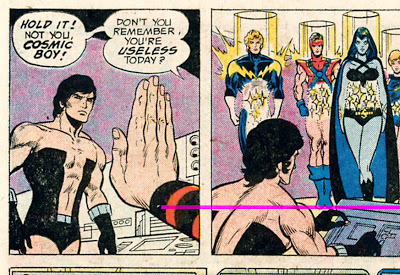
Legion of Superheroes was comic set in the distant future that combined superheroes with space opera, with a visual aesthetic that can best be described as
“Star Trek: the Motion Picture, if it was set in a disco.”
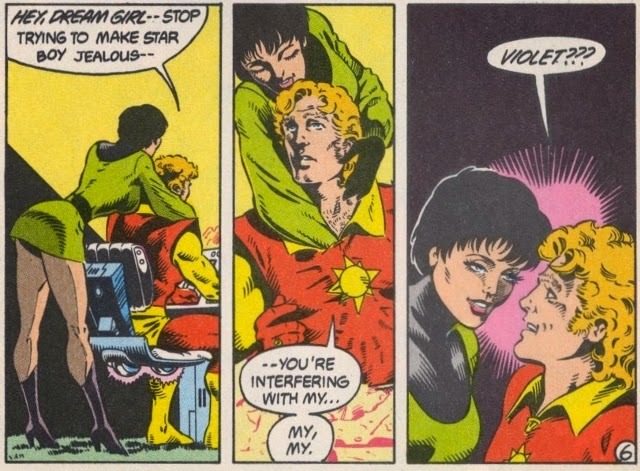
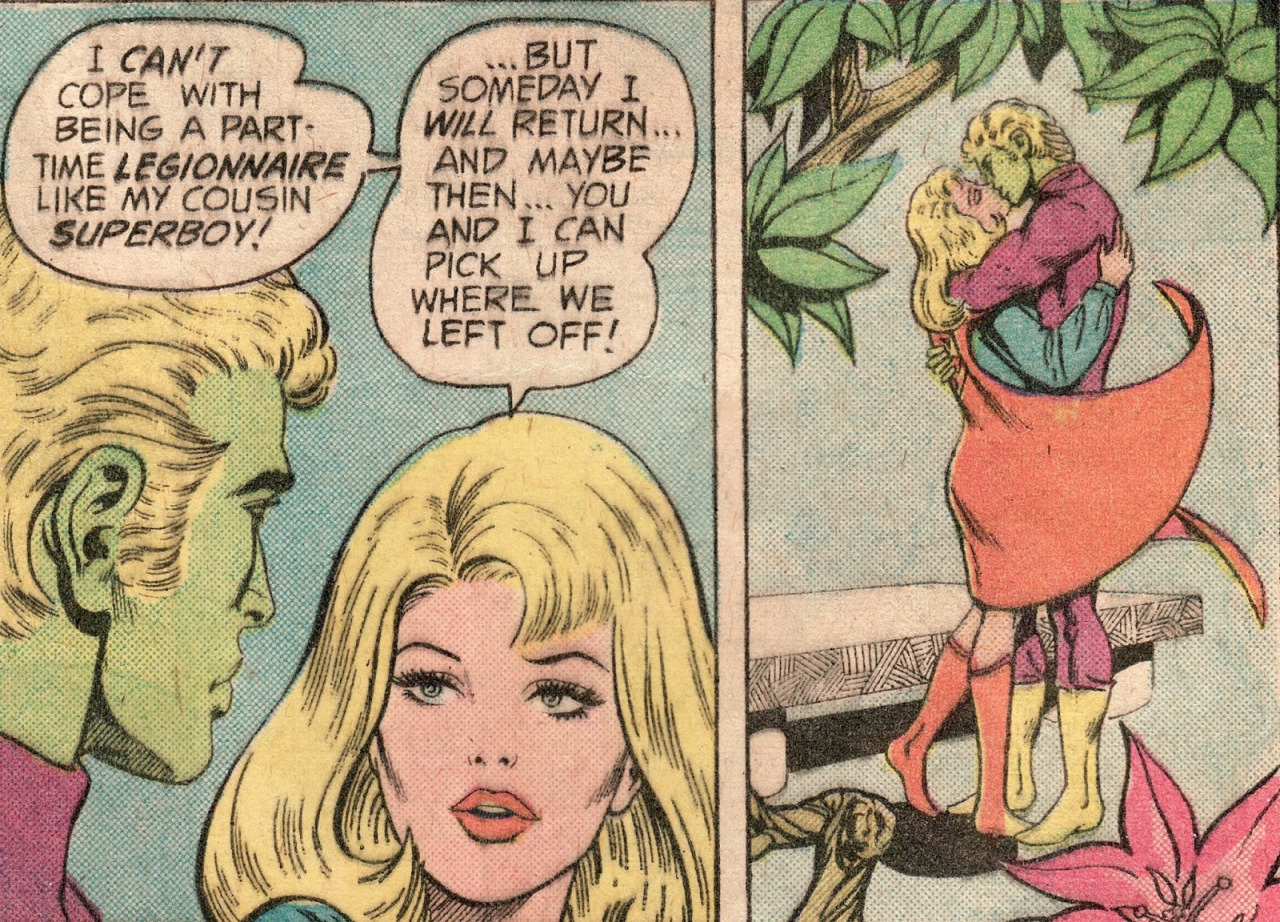
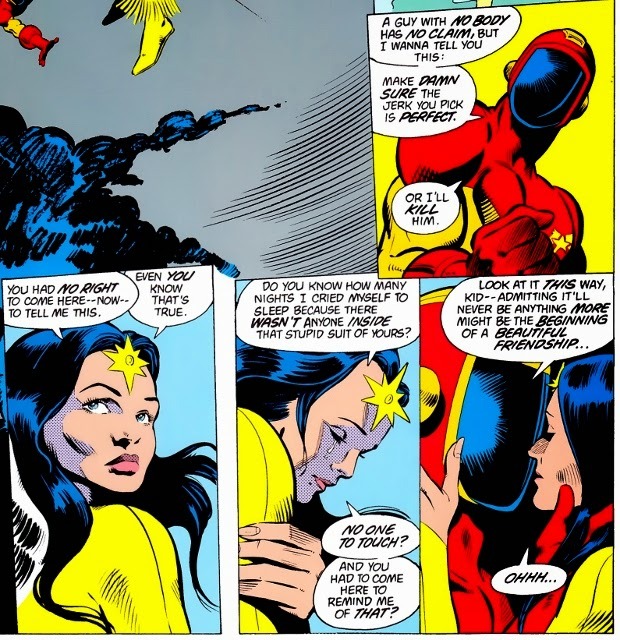
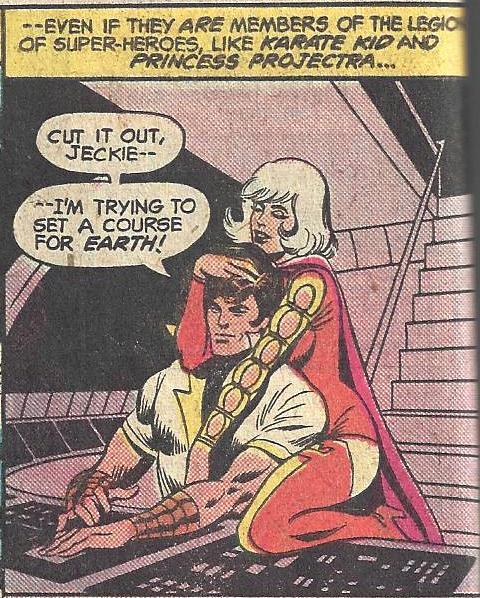
I’ve heard wrestling described as “a soap opera for men.” If that’s the case, then Legion of Super-Heroes was a soap opera fornerds. The book is about
attractive 20-somethings who seem to hook up all the time. As a result, it
had a large female fanbase, which, I cannot stress enough, is incredibly unusual
for this era in comics history. And if you have female fans, you get a lot of
shipping and slashfic, and lots of speculation over which of the boy characters in the series is gay.
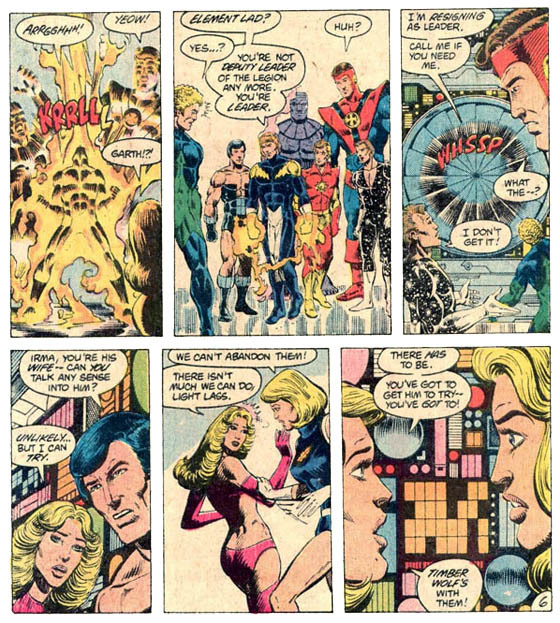
The fanon answer is Element Lad, because he wore magenta-pink and never had a
girlfriend. (Can’t argue with bulletproof logic like that.) In other
words, it was a 1970s-80s fandom that felt much more “modern” than the more
right-brained, bloodless, often anal scifi fandoms that existed around the same time,
where letters pages were just nitpicking science errors by model train and elevator enthusiasts.
Legion Headquarters seemed to be a rabbit fuck den
built around a supercomputer and Danger Room. Cosmic Boy dressed like Tim Curry
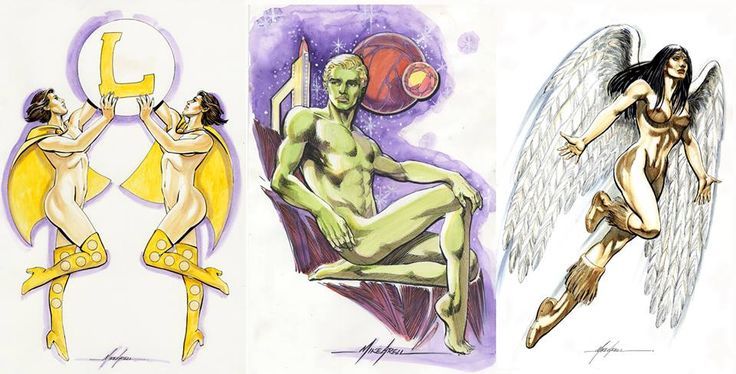
in Rocky Horror. There’s one member, Duo Damsel, who can turn into two people, a power that, in the words of Legion writer Jim Shooter, was “useful for
weird sex…and not much else.”
LSH was popular because the fans were insanely horny.
This is, beyond the shadow of a doubt, the thirstiestfandom of all time.
You might think I’m overselling this, but I really think that’s an under-analyzed part of how some kinds of fiction build a devoted fanbase.
For example, a big reason for the success of Mass Effect
is that everyone has a favorite girl or boy, and you have the option to romance
them. Likewise, everyone who was a fan of Legion remembers
having a crush. Sardonic Ultra Boy for some reason was a favorite among gay male nerds (aka the Robert Conrad Effect). Tall, blonde, amazonian telepath Saturn Girl, maybe the first female team leader in comics history, is for the guys with backbone who prefer Veronica over Betty. Shrinking Violet was a cute Audrey Hepburn type. And don’t forget Shadow Lass, who was a blue skinned alien babe with pointed ears and is heavily implied to have an accent (she was Aayla Secura before Aayla Secura was Aayla Secura). Light Lass was commonly believed to be “coded lesbian” because of a short haircut and her relationships with men didn’t work out. The point is, it’s one thing to read about the adventures of a superteam, and it implies a totally different level of mental and emotional involvement to read the adventures of your imaginary girlfriend/boyfriend.
Now, I should point out that of all the fandoms I’ve
examined here, LSH was maybe the smallest. Legion was never a top seller,
but it was a favorite of the most devoted of fans who kept it alive all through
the seventies and eighties with an energy and intensity disproportionate to
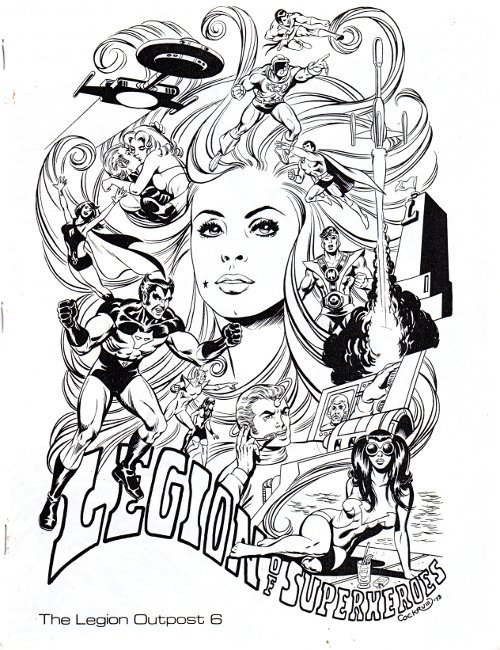
their actual numbers. My gosh, were LSH fans devoted! Interlac and Legion
Outpost were two Legion fanzines that are some of the most famous fanzines in
comics history.
If nerd culture fandoms were drugs, Star Wars would be
alcohol, Doctor Who would be weed, but Legion of Super-Heroes
would be injecting heroin directly into your eyeballs. Maybe it is because the
Legionnaires were nerdy, too: they played Dungeons and Dragons in their off time (an escape, no doubt, from their humdrum, mundane lives as galaxy-rescuing superheroes). There were
sometimes call outs to Monty Python. Basically, the whole thing had a feel like the dorkily earnest skits or filk-singing at a con. Legion felt like it’s own fan series, guest starring Patton Oswalt and Felicia Day.
It helped that the boundary between
fandom and professional was incredibly porous. For instance, pro-artist Dave
Cockrum did covers for Legion fanzines. Former Legion APA members Todd and Mary
Biernbaum got a chance to actually write Legion, where, with the gusto of
former slashfic writers given the keys to canon, their major contribution was a
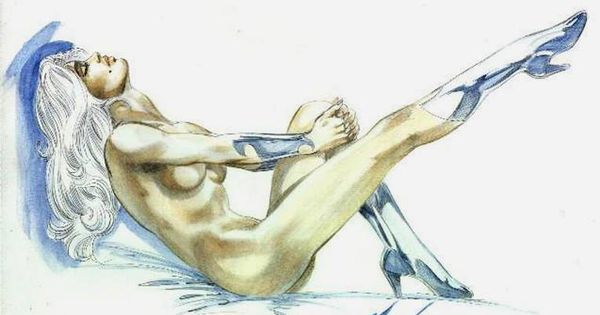
subplot that explicitly made Element Lad gay. Mike Grell, a professional artist
who got paid to work on the series, did vaguely porno-ish fan art. Again, it’s
hard to tell where the pros started and the fandom ended; the inmates were
running the asylum.
Mostly, Legion earned this devotion because it could reward it in a way no other comic could. Because Legion was not a wide
market comic but was bought by a core audience, after a point, there were no self-contained one-and-done
Legion stories. In fact, there weren’t even really arcs as we know it, which is
why Legion always has problems getting reprinted in trade form. Legion was
plotted like a daytime soap opera: there were always five different stories going
on in every issue, and a comic involved cutting between them. Sure, like
daytime soap operas, there’s never a beginning, just endless middles, so it was
totally impossible for a newbie to jump on board…but soap operas know what they are doing: long term storytelling
rewards a long term reader.
This brings me to today, where Legion is no longer being published by DC. There is no discussion about a movie or TV revival. This is amazing. Comics are a world where the tiniest nerd groups get pandered to: Micronauts, Weirdworld, Seeker 3000, and Rom have had revival series, for pete’s sake. It’s incredible there’s no discussion of a film or TV treatment, either; friggin Cyborg from New Teen Titans is getting a solo movie.
Why did Legion stop being such a big deal? Where did the fandom that supported it dissolve to? One word: X-Men.
Legion was incredibly ahead of its time. In the 60s and 70s, there were barely
any “fan” comics, since superhero comics were like animation is today: mostly
aimed at kids, with a minority of discerning adult/teen fans, and it was
success among kids, not fans, that led to something being a top seller (hence, “fan
favorites” in the 1970s, as surprising as it is to us today, often did not get
a lot of work, like Don MacGregor or Barry Smith). But as newsstands started to
push comics out, the fan audience started to get bigger and more important…everyone
else started to catch up to the things that made Legion unique: most comics
started to have attractive people who paired up into couples and/or love
triangles, and featured extremely byzantine long term storytelling. If Legion
of Super-Heroes is going to be remembered for anything, it’s for being the
smaller scale “John the Baptist” to the phenomenon of X-Men, the ultimate “fan”
comic.
The other thing that killed Legion, apart from Marvel’s Merry Mutants, that is, was the r-word: reboots. A reboot only works for some properties,
but not others. You reboot something when you want to find something for a
mass audience to respond to, like with Zorro, Batman, or Godzilla.
Legion, though, was not a comic for everybody, it was a
fanboy/girl comic beloved by a niche who read it for continuing stories and
minutiae (and tojack off, and in some cases, jill off). Rebooting a comic like that is a bad idea.
You do not reboot something where the main way you engage with the property,
the greatest strength, is the accumulated lore and history. Rebooting a
property like that means losing the reason people like it, and unless it’s
something with a wide audience, you only lose fans and won’t get anything in return
for it. So for something like Legion (small fandom obsessed with long form plots
and details, but unlike Trek, no name recognition) a reboot is the ultimate Achilles
heel that shatters everything, a self-destruct button they kept hitting over
and over and over until there was nothing at all left.
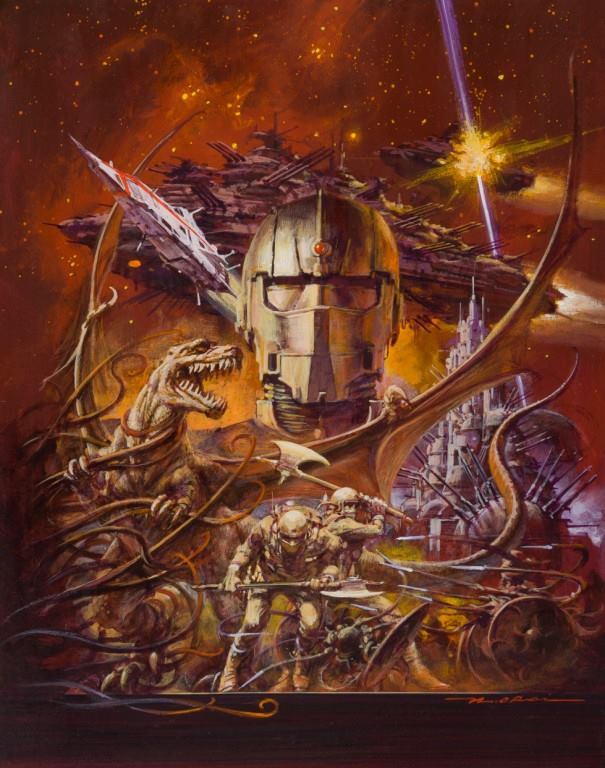
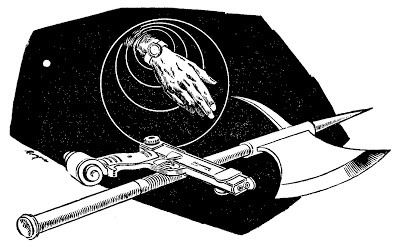
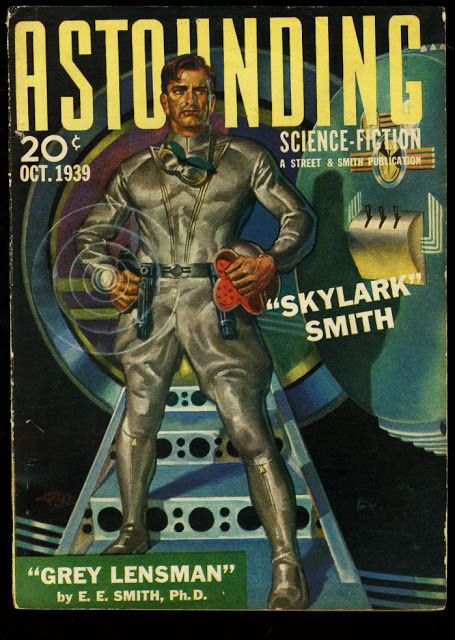
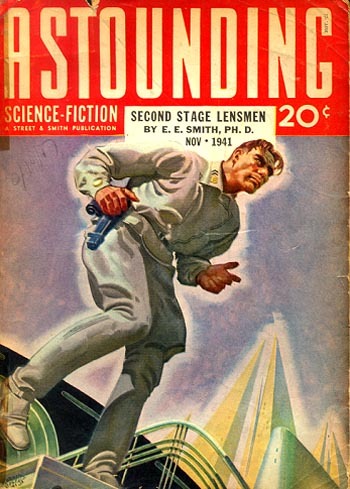
E. E. Smith’s Lensman Novels
The Lensman series is like Gil Evans’s jazz: it’s your
grandparents’ favorite thing that you’ve never heard of.
I mean, have you ever wondered exactly what scifi fandom
talked about before the rise of the major core texts and cultural objects (Star
Trek, Asimov, etc)? Well, it was this.
Lensmen was the subject of fanfiction mailed in manilla envelopes during the
30s, 40s, and 50s (some of which are still around). If you’re from Boston, you
might recognize that the two biggest and oldest scifi cons there going back to
the 1940s, Boskone (Boscon, get it?) and Arisia, are references to the Lensman
series. This series not only created space opera as we know it, but contributed
two of the biggest visuals in scifi, the interstellar police drawn from
different alien species, and space marines in power armor.
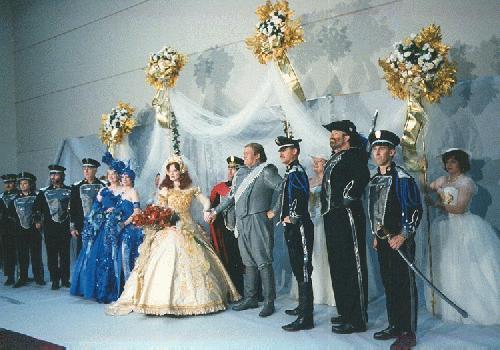
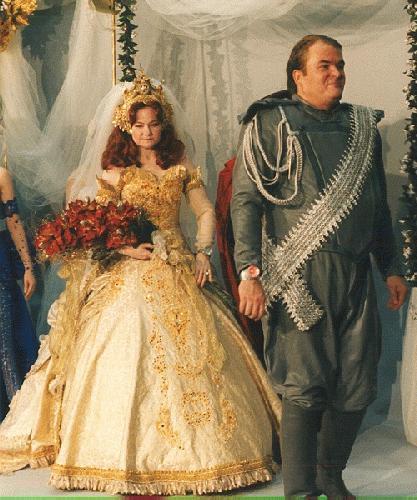
My favorite sign of how big this series was and how fans
responded to it, was a great wedding held at Worldcon that duplicated Kimball
Kinnison and Clarissa’s wedding on Klovia. This is adorable:
The basic story is pure good vs. evil: galactic civilization
faces a crime and piracy wave of unprecedented proportions from technologically
advanced pirates (the memory of Prohibition, where criminals had superior
firearms and faster cars than the cops, was strong by the mid-1930s). A young officer,
Kimball Kinnison (who speaks in a Stan Lee esque style of dialogue known as “mid-century American wiseass”), graduates the academy and is granted a Lens, an object from
an ancient mystery civilization, who’s true purpose is unknown.
Lensman Kinnison discovers that the “crime wave” is actually
a hostile invasion and assault by a totally alien culture that is based on
hierarchy, intolerant of failure, and at the highest level, is ruled by
horrifying nightmare things that breathe freezing poison gases. Along the way,
he picks up allies, like van Buskirk, a variant human space marine from a heavy
gravity planet who can do a standing jump of 20 feet in full space armor,
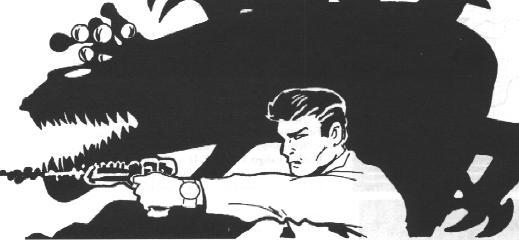
Worsel, a telepathic dragon warrior scientist with the technical improvisation
skills of MacGyver (who reads like the most sadistically minmaxed munchkinized
RPG character of all time), and Nandreck, a psychologist from a Pluto-like
planet of selfish cowards.
The scale of the conflict starts small, just skirmishes with
pirates, but explodes to near apocalyptic dimensions. This series has space battles
with millions of starships emerging from hyperspacial tubes to attack the
ultragood Arisians, homeworld of the first intelligent race in the cosmos. By
the end of the fourth book, there are mind battles where the reflected and
parried mental beams leave hundreds of innocent bystanders dead. In the
meantime we get evil Black Lensmen, the Hell Hole in Space, and superweapons
like the Negasphere and the Sunbeam, where an entire solar system was turned
into a vacuum tube.
It’s not hard to understand why Lensmen faded in importance.
While the alien Lensmen had lively psychologies, Lensman Kimball Kinnison was
not an interesting person, and that’s a problem when scifi starts to become
more about characterization. The Lensman books, with their love of police and
their sexism (it is an explicit plot point that the Lens is incompatible with
female minds – in canon there are no female Lensmen) led to it being judged
harshly by the New Wave writers of the 1960s, who viewed it all as borderline
fascist military-scifi establishment hokum, and the reputation of the series
never recovered from the spirit of that decade.
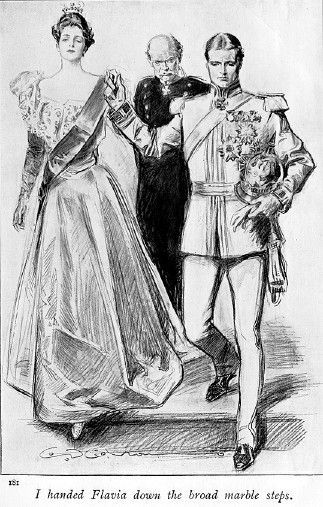
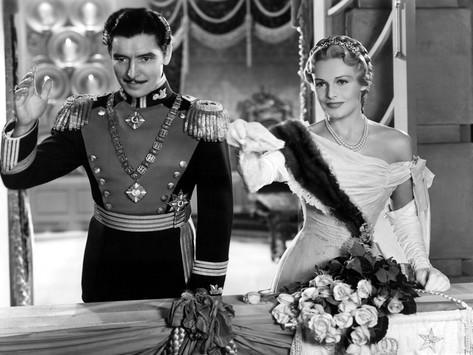
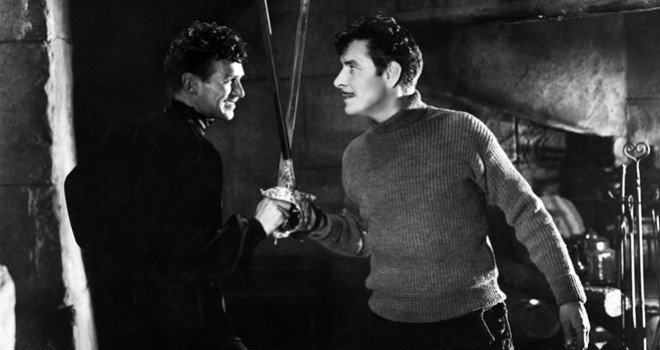
Prisoner of Zenda
Prisoner of Zenda is a novel about a roguish con-man who visits a
postage-stamp, charmingly picturesque Central European kingdom with storybook
castles, where he finds he looks just like the local king and is forced to pose
as him in palace intrigues. It’s a swashbuckling story about mistaken identity,
swordfighting, and intrigue, one part swashbuckler and one part dark political
thriller.
The popularity of this book predates organized fandom as we know it, so I wonder if “fandom” is even the right word to use. All the same, it inspired fanatical dedication from readers. There was such a popular hunger for it that an entire library could be filled with nothing but rip-offs
of Prisoner of Zenda. If you have a favorite writer who was active between 1900-1950,
I guarantee he probably wrote at least one Prisoner of Zenda rip-off (which is
nearly always the least-read book in his oeuvre). The only novel in the 20th
Century that inspired more imitators was Sherlock Holmes. Robert Heinlein and
Edmond “Planet Smasher” Hamilton wrote scifi updates of Prisoner of Zenda.
Doctor Who lifted the plot wholesale for the Tom Baker era episode, “Androids
of Tara,” Futurama did this exact plot too, and even Marvel Comics has its own copy of Ruritania, Doctor Doom’s
Kingdom of Latveria. Even as late as the 1980s, every kids’ cartoon did a
“Prisoner of Zenda” episode, one of the stock plots alongside “everyone gets
hit by a shrink ray” and the Christmas Carol episode.
Prisoner of Zenda imitators were so numerous, that they even
have their own Library of Congress sub-heading, of “Ruritanian Romance.”
One major reason that Prisoner of Zenda fandom died off is
that, between World War I and World War II, there was a brutal lack of sympathy
for anything that seemed slightly German, and it seems the incredibly Central
European Prisoner of Zenda was a casualty of this. Far and away, the largest
immigrant group in the United States through the entire 19th Century
were Germans, who were more numerous than Irish or Italians. There were entire
cities in the Midwest that were two-thirds German-born or German-descent, who
met in Biergartens and German community centers that now no longer exist.
Kurt Vonnegut wrote a lot about how the German-American
world he grew up in vanished because of the prejudice of the World Wars, and
that disappearance was so extensive that it was retroactive, like someone did a DC comic-style continuity reboot where it all never happened: Germans, despite
being the largest immigrant group in US history, are left out of the immigrant
story. The “Little Bohemias” and “Little Berlins” that were once everywhere no
longer exist. There is no holiday dedicated to people of German ancestry in the
US, the way the Irish have St. Patrick’s Day or Italians have Columbus Day
(there is Von Steuben’s Day, dedicated to a general who fought with George
Washington, but it’s a strictly Midwest thing most people outside the region
have never heard of, like Sweetest Day). If you’re reading this and you’re an
academic, and you’re not sure what to do your dissertation on, try writing
about the German-American immigrant world of the 19th and 20th
Centuries, because it’s a criminally under-researched topic.
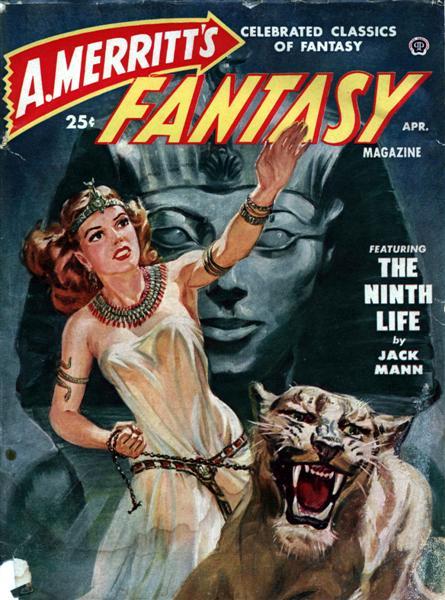
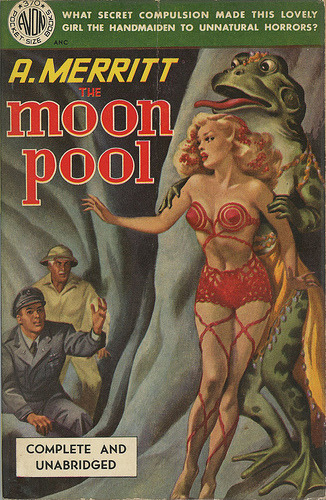
A. Merritt
Pop quiz: who was the most popular and influential fantasy author during the 1930s and 40s?
If you answered Tolkien or Robert E. Howard, you’re wrong - it was actually Abraham Merritt. He was the most popular writer of his age of the kind of fiction he did, and he’s since been mostly forgotten. Gary Gygax, creator of Dungeons and Dragons, has said that A. Merritt was his favorite fantasy and horror novelist.
Why did A. Merritt and his fandom go away, when at one point, he was THE fantasy author? Well, obviously one big answer was the 1960s counterculture, which brought different writers like Tolkien and Lovecraft to the forefront (by modern standards Lovecraft isn’t a fantasy author, but he was produced by the same early century genre-fluid effluvium that produced Merritt and the rest). The other answer is that A. Merritt was so totally a product of the weird occult speculation of his age that it’s hard to even imagine him clicking with audiences in other eras. His work is based on fringe weirdness that appealed to early 20th Century spiritualism and made sense at the time: reincarnation, racial memory, an obsession with lost race stories and the stone age, and weirdness like the 1920s belief that the Polar Arctic is the ancestral home of the Caucasian race. In other words, it’s impossible to explain Merritt without a ton of sentences that start with “well, people in the 1920s thought that…” That’s not a good sign when it comes to his universality.
That’s it for now. Do you have any suggestions on a dead fandom, or do you keep one of these “dead” fandoms alive in your heart?
This was originally a reblog, but my internet connection dipped out as this amazing website was processing my post, so it never posted, and now I’m just making my own post.
This is my thoughts about the kids in fandom Discourse.
I really wonder how much of this “fandom should be by/for and prioritize kids” mode of thought is a product of the growing accessibility of the internet.
Like lots of kids throughout the ages, I was a preteen when I first found That show that pulled me towards wanting to make fanfiction and fanart. If it had been 2017, I likely would have started lurking on tumblr. However, it was 2003, and so the only internet community that I had the skills to access and participate in was a single forum on the official Nickelodeon website. A space designed to be exclusively for children.
A year later, I had discovered anime, and that meant no more safe, easily-accessed official forums. It meant leaving a neatly-manicured Kid Zone and venturing out into the Wild West of the wider early 2000’s internet. It meant Geocities sites connected by webrings, like stops on an ancient and haphazardly-mainted trade network. To run a website back then, you needed to know how to code at least somewhat, and you needed to know how to deal with web hosting services and build networks with other fansites. The people who knew how to do all of that were, by and large, adults in their mid-20’s and up.
Some of the people with the networking skills needed to maintain fansites had developed those skills writing and mailing zines, back in the dark days before public internet access. These people were even older.
Everyone knew that kids were getting into online fandom, too, of course. On websites, people used standardized citrus-themed content warnings for adult themes in their fanwork, and segregated more mature art and writing to separate pages from their all-ages-appropriate stuff. Even as a kid who quickly worked up the chutzpah to click through on a few of those spicy sour links, I appreciated the effort to help kids comfortably navigate fandom spaces primarily built by and for adults.
I really think that the number of younger people in online fandom increased as the skill levels needed to participate in it decreased. I remember discovering LiveJournal in high school, and feeling like I’d entered a bustling city after years of wandering desert paths from one village to another. There was so much of everything, all in one place. Now tumblr is filling that niche, serving as a hub for fandoms of all kinds, for better or worse.
It’s no surprise at all that kids are becoming more and more active in fandom communities: fandom is just one click away, on an internet that they’ve grown up with as a fact of life. But honestly, the age composition of fandom at large is probably the same as it’s been forever: adults in their 20’s and up. Adults still maintain the scaffolding of fandom communities: they’re the ones who organize and staff cons, produce zines, maintain large official fansites, and more. It’s even becoming more and more common for the adults who write, act in, and work on shows (and films, comics, etc) to also become active participants in fandom themselves. There are people working on shows right now as storyboard artists and writers who got picked up by studios because of their fanworks.
Fandom can contain designated kid-safe spaces, but fandom at large is far from a kids-only space, and demanding that it should be is short-sighted and unrealistic. And regardless of age, it’s up to everyone to guide their own consumption of content, and avoid stuff that they think is inappropriate or don’t want to see. We’re all in this together. Content creators put up warnings, and people heed those warnings, or don’t, at their own discretion. That’s my Hot Take.
“The first fanfic I remember doing was in 1986, when a friend and I wrote a Miami ViceAU called ‘Math Vice’ in which Sonny Crockett arrested our teacher for being boring.”
I just dozed off and had a half-waking nightmare where fandom’s post-Tumblr migration was to a walled garden controlled by Disney.
On waking, that is clearly ridiculous because Disney doesn’t own all the copyrights yet, and there are still enough media companies out there that Disney running a platform full of fanfiction for other companies’ properties would be the ninth ring of Licensing Hell. But whatever. Maybe it’s a different behemoth. Maybe Amazon acquires Wattpad, uses its stranglehold over the media-distribution market to extract licensing agreements from most major industry groups, and uses the built-in massive userbase to actually make Kindle Worlds a thing this time.
It makes me wonder what fandom in the year 2017–or 18, or 19–would do if Verizon/Yahoo shut Tumblr down and the media companies were standing there with open arms: “Come post your fic and art to our sites, chat in our forums, get a shot at publishing the next EU novel or at writing an episode of your favorite show. The licensing terms aren’t bad. We will love you, recognize you and validate you. And, you know, we’re modern-day companies–you can post all the gay stuff you want. Just don’t taint our brands with anything actually immoral.” The catch being, of course, that any fanwork outside the walled garden gets pursued with the full wrath of MPAA lawyers’ interpretation of copyright law.
I wonder if today’s fandom would still reject that devil’s bargain.
I think we all know, or suspect, what today’s fandom would do if Strikethrough happened again.
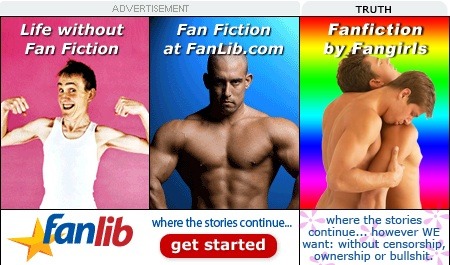
Fanlib tried this. “Post on our site; we have contests and your script could be used on The L Word!” Of course, to enter the contest, you have to give up all rights to your fic and it could be used by anyone who paid Fanlib for it.
Also, they seemed to have some odd ideas about how to advertise a fanfic site:
It lasted less than a year. Commercial promo companies have no idea what appeals to fandom, and even less awareness of how to make it profitable. Every few years, yet another company decides, “oh hey, there’s this ‘fanfic’ thing, and this ‘fanart’ thing, and people are spending THOUSANDS OF HOURS MAKING STUFF that other people want to see, and they’re doing it FOR FREE, and I bet there’s the chance for MONEY in there somewhere.”
They can’t figure out if they want to charge the creators for hosting it or charge the readers for access or get paid by media companies to be curators, but they’re so very sure that there’s MONEY to be made, because money-on-the-internet is all about appeals to eyeballs, and fandom has all these eyeballs waiting for the next chapter, the next sketch, the next fascinating headcanon post.
So they start a site and say FANFIC WELCOME HERE plz don’t break any IP laws and no, we don’t have any statements on how we’ll interpret those when the pressure hits. Also, we’re not going to discuss what kinds of content are or aren’t allowed or what our ratings system actually means.
And they say MONEY WILL COME and don’t say who it’ll come to or how. And they last between six months and two years (that being how long it takes the domain registration to flop) and vanish, and a few years later… a new “entrepreneur” notices fandom and says, “oh hey, here’s all these people making stuff for free! There must be a MONEY option in here somewhere!”
Just remember: if it’s trying to make money, and you’re not paying, you’re not the customer: you’re the product. That’s not always bad - Dreamwidth is a for-profit company, but their customers need a broad array of other posters to interact with; free members are are providing content that paid members want to read, and DW knows what ratio of free-to-paid works for them; free members are an important and valued part of their business plan.
For any place that hosts your content - figure out who’s paying to host it, and what restrictions they want on your content, because that’s going to be what’s important to the owners.
I just dozed off and had a half-waking nightmare where fandom’s post-Tumblr migration was to a walled garden controlled by Disney.
On waking, that is clearly ridiculous because Disney doesn’t own all the copyrights yet, and there are still enough media companies out there that Disney running a platform full of fanfiction for other companies’ properties would be the ninth ring of Licensing Hell. But whatever. Maybe it’s a different behemoth. Maybe Amazon acquires Wattpad, uses its stranglehold over the media-distribution market to extract licensing agreements from most major industry groups, and uses the built-in massive userbase to actually make Kindle Worlds a thing this time.
It makes me wonder what fandom in the year 2017–or 18, or 19–would do if Verizon/Yahoo shut Tumblr down and the media companies were standing there with open arms: “Come post your fic and art to our sites, chat in our forums, get a shot at publishing the next EU novel or at writing an episode of your favorite show. The licensing terms aren’t bad. We will love you, recognize you and validate you. And, you know, we’re modern-day companies–you can post all the gay stuff you want. Just don’t taint our brands with anything actually immoral.” The catch being, of course, that any fanwork outside the walled garden gets pursued with the full wrath of MPAA lawyers’ interpretation of copyright law.
I wonder if today’s fandom would still reject that devil’s bargain.
I think we all know, or suspect, what today’s fandom would do if Strikethrough happened again.