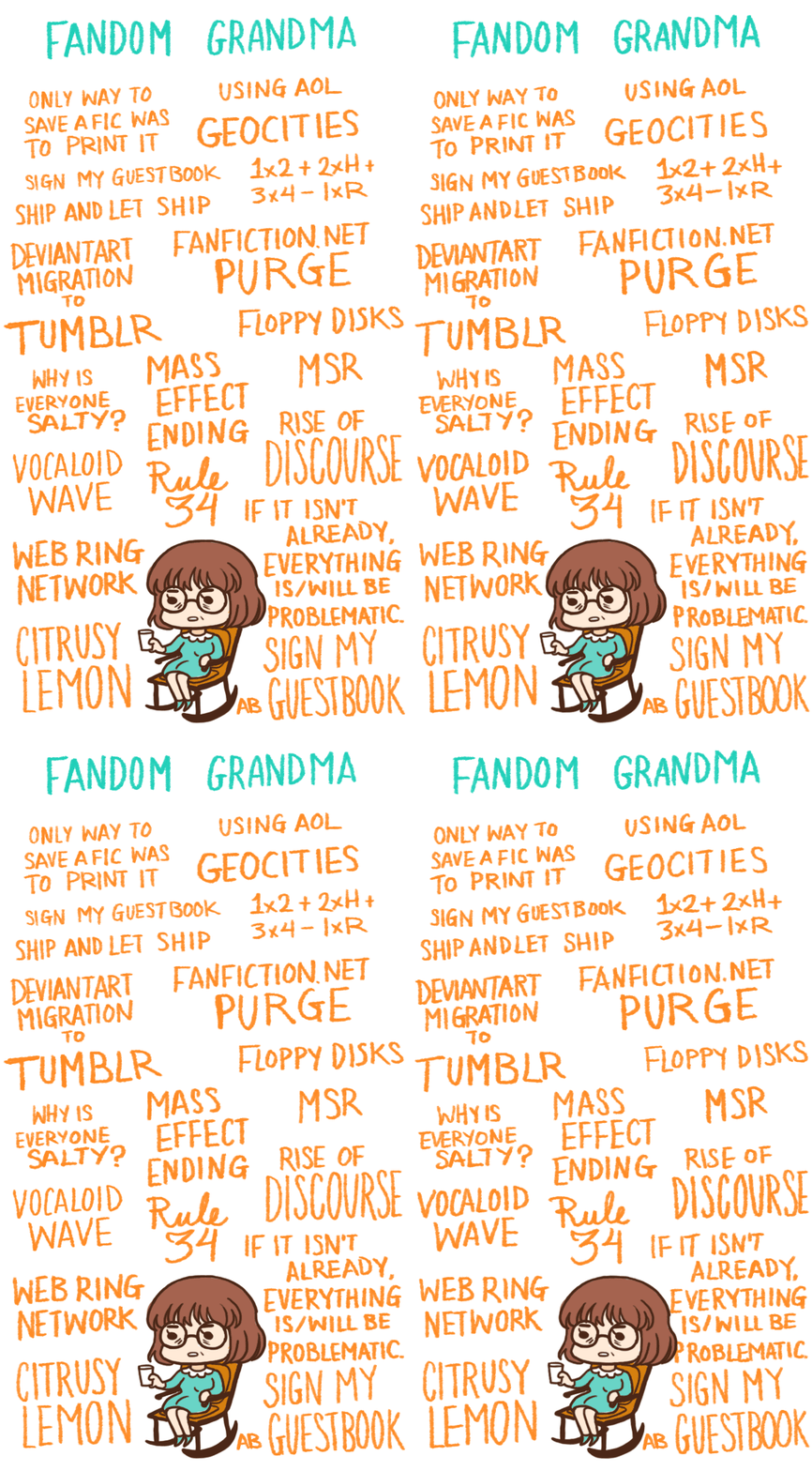
Learning wiki code would be a good skill to add to my resume. But I also just wanna learn it so I have more than a stub at fanlore. If someone says, “Tell us about your experience editing wikis,” what’s the job interview answer for, “I write dudes fucking and I’ve done so for 20 years, and I wanted that shit recorded on the internet.”
I’ve been embroiled in a dumb fight with my domain registration since May over the registration of my website, http://notquiteroyal.net .
Because I provided address info to the hosting company a DECADE ago (it blocked my attempt to transfer my registration to Dreamhost in 2006, which i had never realized until all this came up, sob), I wound up having to fight to convince the current domain host, Hosttopia, to actually agree with me that I was my own domain owner.
So I had to fill out a bunch of paperwork, which I did in May. And I sent in the paperwork and waited for them to release my domain to me, and I called and left messages which they didn’t return, and I waited and waited and waited and now I have discovered that they’ve sold my domain to a fucking domain parking service. I am LIVID.
I’m especially angry because I hate the loss of preservation of fandom infrastructure, and now I’ve contributed to it. Even if I get a new url for my website, that’s still 13 years of broken links to fanfiction and meta and fanart and idek what. :(
I got notquiteroyal.net in 2004, and hosted a shitload of fandom domains on it, like switchknife’s slash recommendations, from then until now.
IDK i’m really sorry everybody. I’ve left a bunch of angry messages about this to the domain registration company but i don’t really know what I can do. :(
Letterzines were non-fiction zines that allowed discussion and chat among groups of fans before email, mailing lists, and the Internet were available. These zines printed letters of comment (called LOCs) from subscribers so they could carry out meta discussions, conversations, and what we would now call flame wars, as well as news about the source text and the fan community. Even non-letterzines often had letter columns filled with LOCs.
The earliest use of the term documented in Brave New Words: The Oxford Dictionary of Science Fiction is 1950.
The amazing thing about
the term “canon” is that it didn’t bubble up from the undifferentiated mass of
fandom (who actually knows who came
up with memes?). We know exactly and specifically where the word comes from when used in this context: an
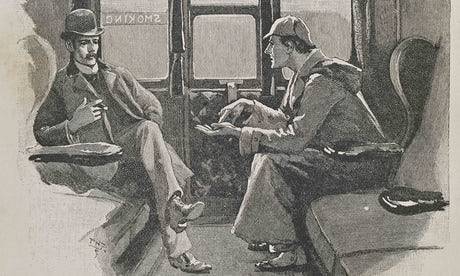
essay written by a Sherlock Holmes fan in 1911, who compared the wild and
crazy veneration that fanatical Holmes fans have for the original stories, to holy writ.
Another name for the books assembled in the Bible was the canon, as opposed to other books that, for various reasons, were
left out of the Bible and “didn’t count.” In other words, the term was
originally used ironically and in a self-deprecating way to talk about the almost religious intensity of Holmes fans.
Part of the reason the
term canon caught on was because, even in the 1910s, the public was so mad for
Sherlock Holmes that there were all kinds of illegal imitators and non-Conan
Doyle authors and knockoffs, and yes, there were even amateur works that were distributed by mail (what today we’d call “fanfiction,” some of which even survives today), so a crucial distinction began to arise between the stuff
that was “official” and the stuff that wasn’t. So, here we have the three
things that we need to even have the concept of canon as we define it: 1) a group
dedicated enough to actually care, who can communicate, 2) a necessary
distinction between “official” and not, particularly due to the presence of amateur works (what today we’d call fanfiction), 3) a long term property that could
sustain that devotion.
Now, of the three, which
do you think was the one that was absent from a lot of science fiction fandom’s first few decades? It’s
actually 3. Canon only matters if it’s something other than just a single
story, which the business model of the pulps discouraged. Like TV in the 1960s, every story had to be compartmentalized and serial storytelling was mostly discouraged.
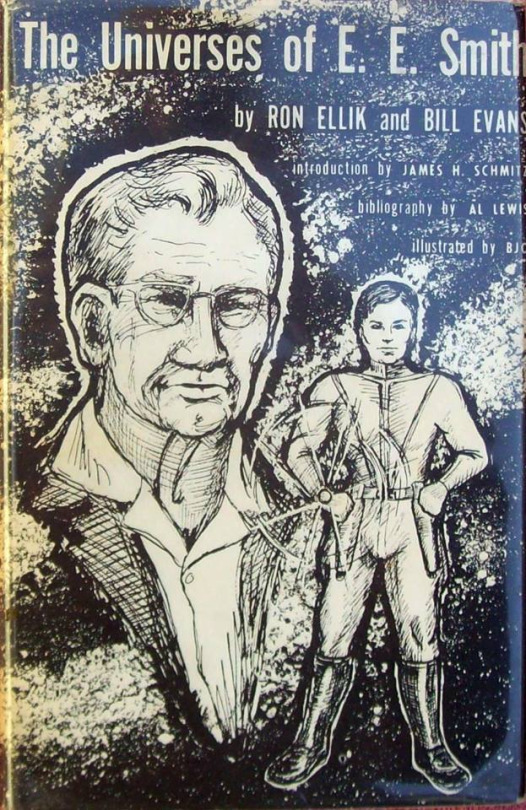
One fandom, big from the 1930s to the 1960s was E.E. Smith’s space opera Lensman series. The Lensman stories were so popular
that it received 5 sequels, all of which were planned from the outset. Some Lensman
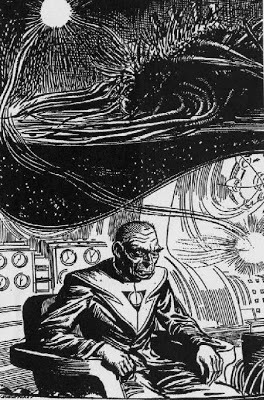
fanfiction from the 1940s is actually still available for reading. Part of the reason the Lensman stories were so popular is that it described a consistent world with consistent attributes: Inertialess Drives, aliens like Chickladorians, Vegians, Rigellians, pressor beams, space axes, Valerian Space Marines, superdreadnoughts, “the Hell Hole in Space,” the works. It was way easier to get sucked into this than it was with the usual “one and done.”
Take for example, this amateur guide to the Lensman series, with art by Betty Jo Trimble.
Canon “policy” as we know it today, as a part of a corporate strategy, started with Star Trek: the Next Generation. Before that, there was no “multimedia property” big enough to necessitate it; Star Wars just didn’t care, which is why pre-Zahn “expanded universe” stories like the Marvel comics were so bonkers. There was no reason to believe that the Trek novels, including good ones by John M. Ford and Diane Duane, were anything else than totally official. Roddenberry, though, was deeply angry about losing control of the film series, and due to his illness (hidden from the public at the time), his canon policy was enforced by his overly zealous attorney. In Star Trek canon, for a long time, the only thing that counted was what was on screen. And not even that…the Star Trek animated series, for several decades, was decanonized. (It wasn’t until Deep Space 9 that animated references crept back in, and today, it’s as canon as everything else).
I don’t want to scare anyone, and this is hearsay, but I’ve heard from three people who were there that Next Generation writers, at least as long as Roddenberry and his attorney were around, were encouraged to not think of the original series as canon at all. References to Spock and even an episode that had an appearance by the Gorn were rewritten.
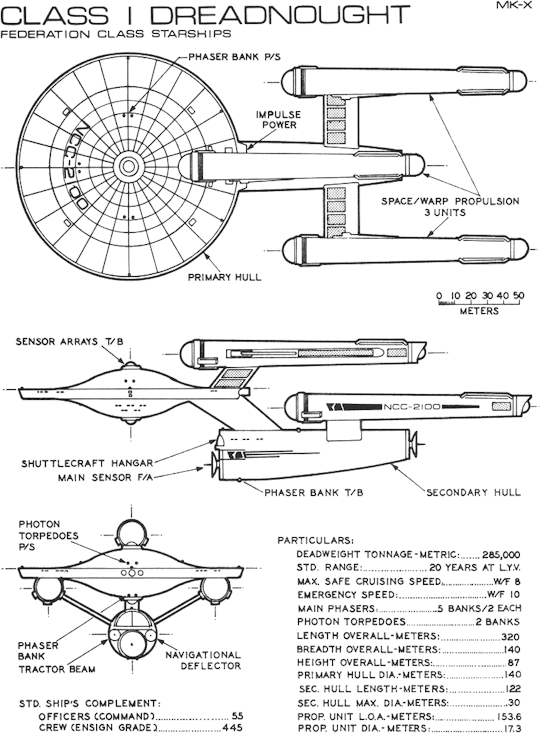
The Star Trek canon policy was so harsh and unexpected that rules were invented deliberately to kick out popular reference sources, like the rule that starships could only have even numbered nacelles, which meant much of the Franz Joseph guides, published in the millions and praised by Roddenberry and others as official, were vindictively decanonized.
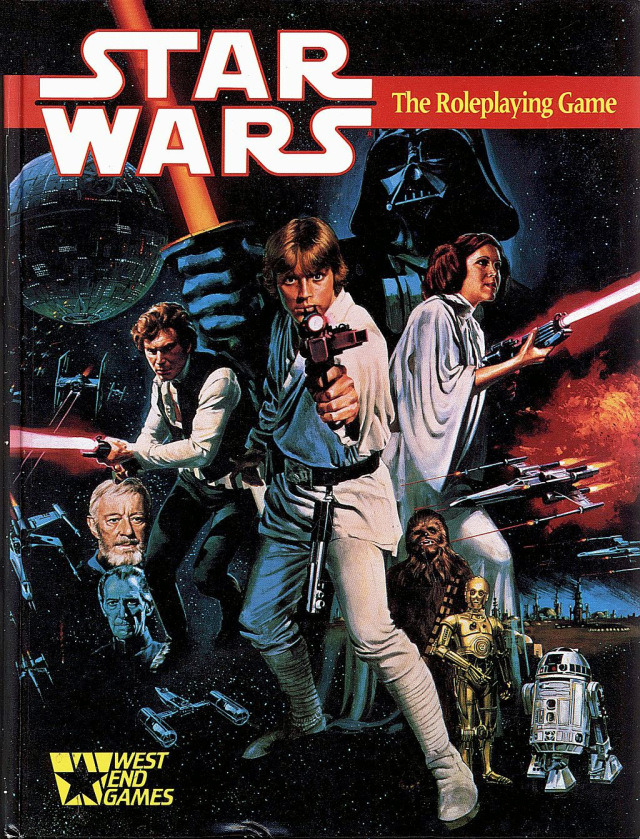
Star Wars canon is interesting because it was entirely created by the West End Roleplaying Game. It was the only major Star Wars product printed in the Star Wars Dark Age, the 6 years between 1986-1991 when all toy lines and comics were canceled and the fandom was effectively in a coma or dead. The Roleplaying Game was the first place that information was collected from diverse sources like the comics and novels. Every single Star Wars novelist read the West End game because it was the only time all this information was in one place.
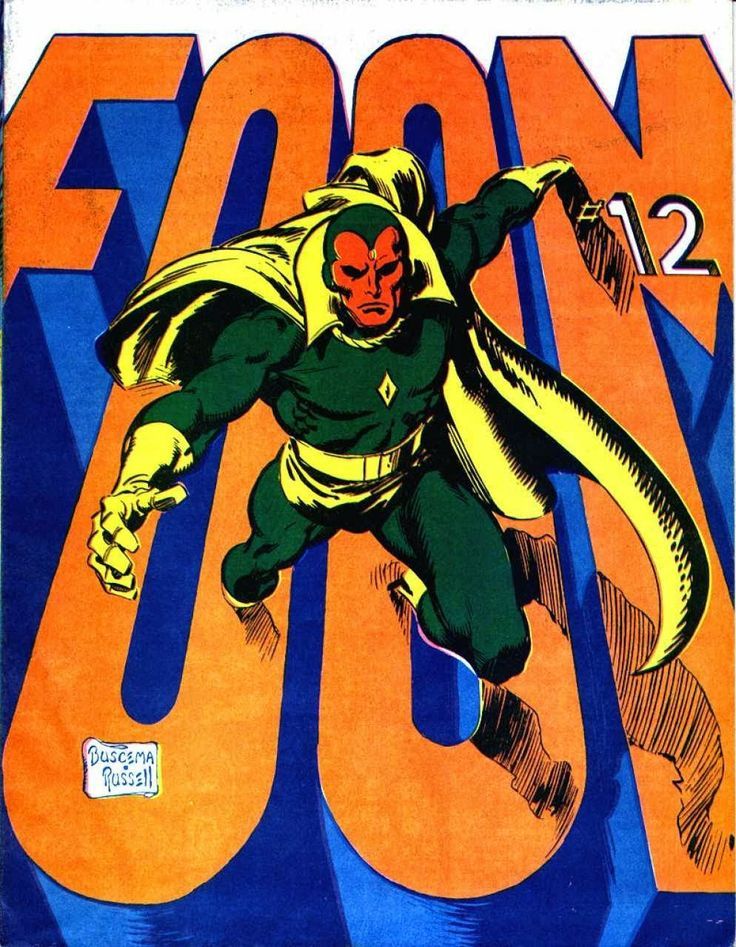
Marvel Comics canon is a very interesting example because it was a harbinger of things to come: superhero comics were one of the earliest places in geek culture where the “inmates started to run the asylum”…that is to say, fans produced the comics, guys like Roy Thomas (creator of the Vision and Ultron) who started off as a fanzine writer. Because of the back and forth in letters pages, there was an emphasis on everyone keeping it all together that didn’t exist at DC, which at last count, had 5 (!) totally contradictory versions of Atlantis.
2007-2014: I know I should, but the likelihood of losing it isn’t that great, so I’m not too worried about it…
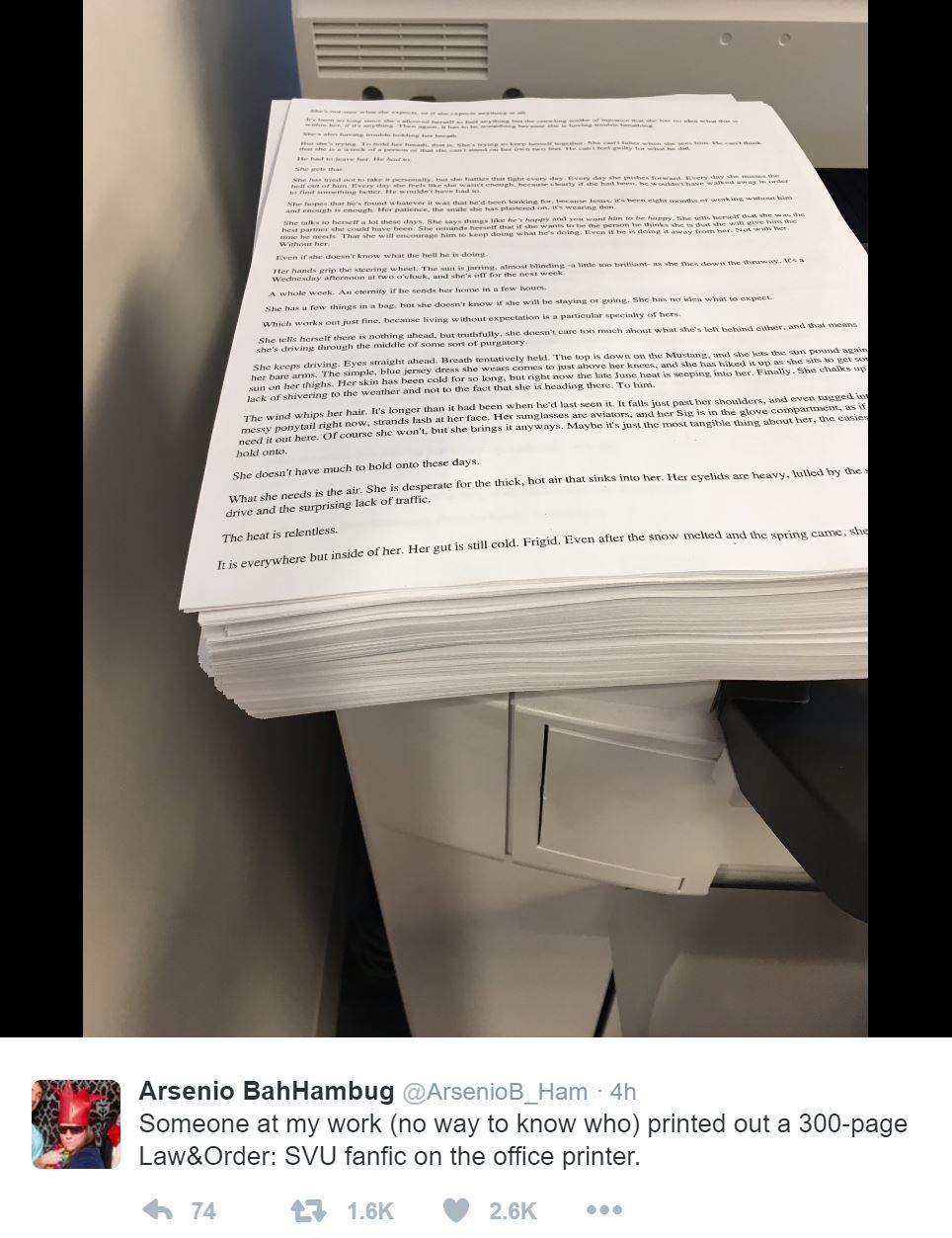
2007+: omfg save EVERYTHING! YOU NEVER KNOW WHEN THE FIC OR THE USER OR THE ENTIRE GODDAMN WEBSITE WILL VANISH AND YOU LOSE YOUR FAVORITE FIC F O R E V E R!!!