From a series of blog entries written by a fan who attended Star Trek conventions in the 1970s:
“Back in 1976, I had the pleasure of attending the ‘Star Trek BiCentennial-10 Convention in New York City. It was my first trip to NYC, and at the tender age of 15, it was an eye-opening, exciting time. The Convention was considered the premiere Trek event of that time, and all of the original cast were to show up (except Nimoy and Barret, who had other commitments-dang!). I was so excited to be going to an event where I’d find other fans like myself.”
Here are some resources for anyone who wants to read up on fandom history, including outlines, old fan fiction, and certain famous drama. Made especially for all the teenagers out there who believe that tumblr created the concept of fandom.
(more masterposts)
T H E B E G I N N I N G S ( P R E - 1 9 9 0 F A N D O M )
Precursors to Fan Fiction
There have been several works that could most definitely be considered the beginnings of fan fiction, and most of them are quite surprising.
- The Brontë siblings spent much of their child to young adulthood writing short stories and novels telling the fantasy adventures of Arthur Wellesley, 1st Duke of Wellington. (x)
Sherlock Holmes
Despite the buzz around Star Trek being the first, the origin of the modern idea of “fandom” can be traced all the way back to 1887 with the creation of Arthur Conan Doyle’s world famous detective. As well as some of the first ever fan fiction.
- Here’s a video detailing how Holmes started fanfiction. (x)
- A blog post about the changes in Sherlock Holmes fandom over time. (x)
- “The Adventure of the Two Collaborators” a fanfiction by the creator of Peter Pan. (x)
Star Trek
Now we’re at the big one. The real big fandom creator. The Original Series didn’t have a big audience during it’s original run, but those who did watch it were deeply invested in it. This means conventions, mailing groups, fan magazines, and fanfiction presses.
- Spockanalia, the first ever fanzine, appeared in September 1967. Celebrating fan art and even fan fiction. The zine ran from 67’-70’, and published five issues. (x) (x) (x)
- The first fan convention occurred in March of 1969. The “Star Trek Con” did not have celebrity guests but did have “slide shows of ‘Trek’ aliens, skits and a fan panel to discuss ‘The Star Trek Phenomenon.’” (x)
- “Star Trek Lives!” was the first large scale con and it was in 1970. They expected 500 people, they had to turn down people when there was 3000. (x)
- Kirk/Spock is the first official slash ever, and was largely circulated due to fanzines. (x) (x) (x)
E A R L Y D A Y S O F T H E I N T E R N E T ( T H E 1 9 9 0 ’ S )
Geocities
In 1995, Geocities was born. If you haven’t heard of Geocities(due to it’s death in 2009), it was a Web hosting service, separated into ‘neighborhoods’ named after real cities for what they were famous for. Here, many fandoms shared fan fiction. Back in the day, fandoms had to create their own private spaces. This made fandoms on the internet smaller and less accessible than fanzine operated ones.
- geocities archive (x)
- the death of Geocities (x)
Fanfiction.net
1998 brought fanfiction.net into existence to compete with the hundreds of independent, fandom-oriented fanfiction archives. More democratization, although fanfiction was marketed on how many reviews one had.
- In 2002, due to legal concerns, fanfiction.net bans NC-17 fanfiction. (x)
- Adultfanfiction.net is created to fill the void. For years, 13 year olds would pretend to be 18 to enter. That is until, people figure out they can just post it on fanfiction under M. (x)
E A R L Y 2 0 0 0 ’ S T O N O W
The Cassie Clare Controversy
You might recognize Cassandra Clare from the YA series The Mortal Instruments, but in the early 2000s people remember her a bit differently. As a Harry Potter fan fiction writer who caused a big old controversy.
- The Draco Trilogy is a Draco-centric epic written and posted by Cassandra Claire over a period of six years. It was quite popular, and was one of the longest Harry Potter fics out there. (x)
- People noticed however, that she lifted scenes and dialog straight from other fiction, causing an uproar and Cassie to be banned from fanfiction.net. (x)
Forums
Around this time, forums come around. People rapidly gained and lost power, causing quick turnover in these parts of fandom. (x)
tumblr.
In 2007, tumblr is created, however it doesn’t really become popular until 2010 and due to the death of Geocities and other popular websites for fandom and it’s less strict guidelines, it becomes a major fandom stronghold.
The year is 2014:
“On the eve of the brand new season of Doctor Who, yesterday the BBC and Federation Against Copyright Theft teamed up to close a long-standing fansite. Following an in-person visit, Doctor Who Media shut down immediately. Its domain name will soon be taken over by the BBC.” Source
The year was 1985 and this was written by an fan editor whose Miami Vice newsletter had been shut down by the studios:
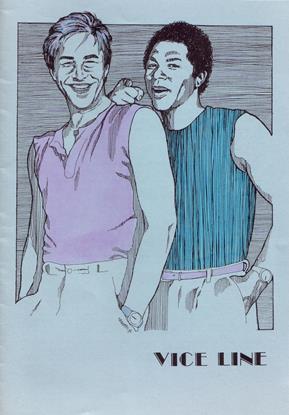
“I was the editor of a small letterzine called ’Vice Line,’ which managed to publish 1 issue before being hit with fandom’s greatest horror, the dreaded Cease and Desist notice. Receiving it was particularly painful for me, as I had just spent 8 months moving heaven and earth to keep ‘Miami Vice’ from being cancelled, and while I didn’t expect the producers to throw roses at my feet, I didn’t expect this either. Within days of its debut, the zine was folded, subs refunded, and plans for future fannish endeavors thrown into limbo. The experience left me drained, disillusioned, and angry about the massive amount of waste of time, energy and spirit, of all the people who had worked so hard for so long. I vowed I would never again lift a finger to do shit for a television show (or anything else for that matter) as long as I lived. There were million other hobbies one could engage in, and this seemed like the perfect time to finish that 5000-piece jigsaw puzzle. It was during this period of fannish-detachment your letters started arriving; letters full of empathy, encouragement and hope, that served to make the void that was left by 'Vice Line’s’ demise, seem that much larger. I cannot describe the feeling you get from being told that some little thing that you did affected so many people in such a way, they feel your sense of loss as if it were their own…….”
The editor then went on to publish Pop Stand Express, an adzine that allowed fans of smaller TV and movie fandoms to connect.
Read more about the newsletter Vice Line on Fanlore here.
(links go to Fanlore, the fan run Wiki about media fandom)
